← Home03 / EVERYDAY

Daily Life

Find small, flexible ways to practise throughout the day.

Start Here 5 min practice

Begin with five minutes

A simple, practical introduction to sitting and paying attention.

A person sitting indoors and looking out toward trees

Meditation can begin with an ordinary chair and a few unhurried minutes. This guide takes you through one complete practice, from finding a seat to finishing gently.

Find a comfortable place

Choose a spot where you can pause without needing to watch the clock. A chair, the edge of a bed, or a cushion on the floor is enough. If it is useful, set a quiet timer for five minutes; one or two minutes is also a good starting point.

Let the seat support your weight. Rest your hands wherever they feel natural and allow your shoulders to settle. Keep your eyes open with a soft gaze, or close them if that feels comfortable. There is no special position you need to achieve.

Choose something to notice

Start by feeling the contact between your body and the chair or floor. Notice the pressure beneath you, the temperature of the air, or sounds in the room. Give yourself a moment to arrive before choosing one sensation as your anchor.

Try the breath

If breathing is a comfortable focus, follow its natural movement. You might notice air at the nose or a gentle rise and fall in the body. There is no need to slow it down or breathe more deeply. You are observing a breath, not performing one.

When your attention wanders

You may start planning a meal, remembering a conversation, or wondering whether the timer has stopped. That is ordinary. As soon as you notice, acknowledge the thought and return to your chosen sensation. The moment of noticing is part of the exercise.

There is no score to keep. Returning once and returning many times are both ways of practising. If the breath becomes uncomfortable to follow, open your eyes and use the feeling of your feet on the floor or a sound in the room instead.

Bring the practice to a close

When your timer sounds, notice the room around you before standing. Look at the light, feel the surface beneath your hands, and make any movement you need. You do not have to check whether you feel calm or whether the practice “worked.”

If you would like to return tomorrow, choose an easy moment such as after making tea. Short sessions can be adjusted as your day changes. A practice is something to explore, not another task to complete perfectly.

Further reading

This guide draws on these public resources:

Start Here 5 min practice

Follow your breath

Learn to use a natural breath as a steady point of attention.

Smooth rocks in still water beneath a soft sunrise

The breath is always changing, which makes it an accessible point of focus for many people. The aim is to notice its movement without asking it to behave in a particular way.

Settle into a position

Sit or lie somewhere that supports you. If you are in a chair, place your feet on the floor if that is comfortable. Let your hands rest and give your jaw and shoulders room to soften. Your eyes may be open, lowered, or closed.

Before focusing on breathing, notice the whole setting: the contact with your seat, the temperature of the room, and a few nearby sounds. You can return to these sensations at any point during the exercise.

Find where breathing is clearest

Notice one full breath as it happens. Some people feel the air around the nostrils; others notice movement in the chest or abdomen. Choose one place where the sensation is reasonably easy to follow. You do not have to feel all of them.

Stay with one breath at a time

Follow the beginning, middle, and end of an inhale, then notice the exhale. A silent word such as “in” or “out” may help you keep track, but it is optional. Allow the next breath to arrive in its own time.

Let the breath be natural

When people first pay attention to breathing, they sometimes start controlling it. If this happens, notice the tendency without correcting yourself harshly. Let the breath settle as comfortably as it can. There is no target depth, rhythm, or number to reach.

Some breaths may feel easy to notice, and others may seem faint. You can follow the movement for a few cycles, pause, and then begin again. A shorter practice is perfectly reasonable.

Return or choose another anchor

Thoughts and sounds will interrupt your attention. When you notice this, briefly recognise what happened and return to the sensation of breathing. You are practising the return, not trying to prevent every distraction.

If watching your breath feels unpleasant, stop focusing on it. Keep your eyes open and notice your hands touching each other, your feet on the floor, or sounds around you. At the end, take a moment to reorient to the room.

Further reading

This guide draws on these public resources:

Start Here 5 min practice

When your mind wanders

A kinder way to work with thoughts during meditation.

Sunlight filtering through trees along an autumn path

A busy mind is not evidence that you are doing meditation incorrectly. This practice is about recognising where attention has gone and choosing how to return.

Understand what is happening

You sit down intending to follow a breath and suddenly find yourself composing a message or planning tomorrow. A sound outside catches your attention. You notice an itch. These shifts happen naturally, even to people who have practised for years.

The aim is not to stop thinking or force your attention to stay in one place. Instead, use each moment of noticing as an opportunity to begin again. A session can include many returns and still be a worthwhile practice.

Notice without a story

Choose a simple anchor such as your hands in your lap. After a little while, check where your attention is. If you are caught in a thought, you do not need to solve it during this exercise. A brief acknowledgement is enough.

Try a quiet label

Some people find it helpful to use a neutral word like “planning,” “remembering,” or simply “thinking.” Say it silently once, without judging the thought. Then return your attention to the feeling of your hands or another comfortable sensation.

Work with a thought that keeps returning

If the same thought comes back repeatedly, you do not have to push it away. Notice that it is present and return when you are ready. It may help to shorten the session or write down a practical reminder before you begin.

If sitting with a thought feels overwhelming, open your eyes, look around, and choose something in the room as your focus. You can pause or stop the exercise. Walking or listening to sounds may be a better fit for another day.

Try it in everyday moments

The same gentle return can happen while washing a cup or waiting for a lift. Notice that you have drifted into a story, then feel the cup in your hands or look at the doors in front of you.

There is no need to spend the whole day monitoring your mind. Choose one small moment and let that be enough. The point is to make room for noticing, not to judge how often you remember.

Further reading

This guide draws on these public resources:
Practices 8 min practice

Try a body scan

Move attention gently through the body, one area at a time.

A person resting on a mat indoors

A body scan is a gradual tour of physical sensations. It can be done lying down or sitting, and there is no need to feel a particular sensation in every area.

Get comfortable

Choose a position you can adjust easily. You might lie on a mat with a cushion under your knees, sit in a supportive chair, or remain in another position that works for your body. Keep your eyes open or closed, whichever you prefer.

Begin by noticing the places where you are supported. Feel the weight of your body against the floor, bed, or chair. Let breathing continue naturally while you become aware of these points of contact.

Begin with the feet

Bring attention to your toes, the soles of your feet, and your heels. There may be warmth, pressure, tingling, or no clear sensation. You do not need to make anything happen. Spend a few breaths noticing what is available.

Move at your own pace

Continue through the ankles and legs, then the hips and lower back. You can move from one area to another slowly or spend more time where it is easy to notice sensation. If attention drifts, return to the last place you remember.

Continue through the body

Notice the back against its support, the movement of the abdomen, and the chest. Then bring attention to the hands, arms, shoulders, neck, and face. Rather than searching for a perfect feeling, observe pressure, movement, temperature, or contact.

You can adjust your position whenever you need to. The exercise is not a test of stillness, and you do not need to relax every muscle. There may be areas that feel neutral, comfortable, or difficult to notice.

Finish and make it your own

After moving through the body, notice it as a whole for a moment. Feel the support beneath you and the room around you. Open your eyes if they were closed and take your time before getting up.

If an area feels too intense to focus on, move to a more comfortable place, listen to a sound, or stop. On a busy day, a short scan of your feet, hands, and shoulders can be a useful alternative to a longer session.

Further reading

This guide draws on these public resources:

Practices 10 min practice

Meditate while walking

Bring awareness to movement, one ordinary step at a time.

A person walking along a forest path

A walking practice brings attention to movement instead of sitting still. Use a familiar, safe route and move at a pace that feels natural to you.

Choose a suitable route

Find a clear stretch of space indoors or outside. It can be a hallway, a quiet path, or a small area where you can move back and forth. You do not need a scenic destination or a long distance.

Keep your eyes open and give your surroundings the attention needed to move safely. Choose a time and place where you are not required to rush. If you use a wheelchair, you can explore the sensations of rolling and turning instead.

Notice the movement

Begin walking at a comfortable pace. Feel one foot lift, travel forward, and meet the ground, followed by the other. Notice how your weight shifts and how your arms move. It may help to slow down slightly, but there is no need for an exaggerated pace.

At the end of the path

When you reach the end of your space, pause if you wish. Notice both feet or the support of your chair, then turn and continue in the other direction. The turn is simply another movement to notice.

Include the surroundings

Let your attention widen to the air on your skin, nearby sounds, and changes in light. You might notice the surface underfoot or a breeze moving through trees. Let these details be part of the walk without needing to describe all of them.

If you become absorbed in a plan or conversation in your head, gently return to the sensation of moving. Each return is another opportunity to notice where you are.

Bring the practice into a day

Try a few minutes on a familiar route, perhaps from your door to a nearby corner. You can practise for only part of a longer walk. At crossings or crowded places, give priority to navigating safely.

At the end, pause briefly and notice your surroundings before moving on. Walking meditation does not require you to reach a particular mood; it offers a way to pay closer attention to a journey you were already making.

Further reading

This guide draws on these public resources:

Practices 5 min practice

Listen to the world around you

Use ordinary sounds as the focus of a short meditation.

Gentle waves on a beach beneath a soft sky

A room does not have to be silent for meditation. In this practice, nearby sounds become the place to rest your attention, whether they are soft, busy, familiar, or changing.

Find a place to pause

Sit or stand somewhere reasonably comfortable. You can keep your eyes open and rest your gaze on an ordinary object, or close them if that feels better. Notice the support under your feet or seat before turning toward sound.

There is no need to switch off every appliance or find a perfectly quiet room. If a sound is too loud or unpleasant, change places, adjust the volume, or choose another practice.

Listen without searching

Allow sounds to reach you: perhaps a distant voice, traffic, leaves, or the hum of a fan. Notice whether a sound is near or far, steady or changing. You can also notice the quieter spaces between sounds.

Let a sound come and go

Choose one sound and follow it for a few moments. You do not need to name its source or decide whether you like it. When it fades, notice whatever sound becomes apparent next.

When attention follows a story

You may hear a door and start wondering who came home, or hear a car and remember an errand. That is a natural response. When you notice the story, gently return to the sound itself or to the feeling of your feet.

The practice is not about making unwanted sounds pleasant. It is an invitation to notice what is present while keeping the freedom to change your environment or stop.

Close the exercise

After a few minutes, broaden your attention to the whole room. Notice what you can see and how your body is supported. If your eyes were closed, open them when you are ready.

You can try listening while waiting for the kettle or sitting before a meeting. Even a brief pause can be a way to notice your surroundings without adding another complicated routine to the day.

Further reading

This guide draws on these public resources:

Daily Life 2 min practice

Take a mindful pause

Make space for a brief moment of attention during a busy day.

Coffee and tea beside a sunlit window

You do not need a long, uninterrupted session to notice the present moment. A short pause can fit into an activity you already do, such as making a drink or sitting down at a desk.

Choose an ordinary moment

Look for a natural transition: after setting down your bag, before opening a laptop, or while waiting for water to boil. Choose a moment when you can safely pause and are not responsible for immediate attention elsewhere.

You may decide in advance when to pause, or simply use the opportunity when you remember. There is no need to stop every task or turn the moment into a formal ceremony.

Feel the support beneath you

Notice your feet against the floor, or the contact between your body and the chair. Let your hands rest on the table or around a cup. Spend a few moments feeling the pressure, texture, or temperature that is already there.

Add one natural breath

If it feels comfortable, notice one breath from beginning to end. You do not need to change it. If breath is not a helpful anchor, continue noticing your feet, your hands, or an object in front of you.

Look and listen

Allow your attention to move outward. Notice a shape, a patch of light, or a colour in the room. Listen for one nearby sound and one farther away. You are not trying to make a list; these are simply options for being curious.

If your thoughts return to what comes next, notice that and gently return to the object or sound you chose. It is fine to end the pause after a few seconds.

Continue with the day

When you are ready, move on to your next activity. You may feel different or you may not. The pause does not have to produce a result to be useful as a moment of attention.

Try pairing the pause with the same everyday action for a few days. If that moment does not work, choose another. A flexible cue is more useful than a rule that becomes difficult to keep.

Further reading

This guide draws on these public resources:

Daily Life 8 min practice

Settle in for the evening

A quiet practice for closing the day without a perfect routine.

Daylight passing through sheer curtains

Evening can offer a natural transition from activity to rest. This gentle practice gives you a few minutes to notice your body and surroundings without needing to make sleep happen.

Make room for a pause

Choose a comfortable place to sit or lie down. You might dim a light, put your phone aside, or leave the room exactly as it is. The exercise does not depend on a special cushion, a silent room, or an elaborate bedtime routine.

If you are sitting, feel the chair beneath you. If you are lying down, notice where your body meets the bed or floor. Keep your eyes open or closed in a way that feels comfortable.

Notice the body at rest

Take a few moments to sense the weight of your hands, the support beneath your back, and the temperature of the air. You might move attention gradually from your feet toward your shoulders and face.

Allow movement when needed

There is no need to hold a fixed position. If you want to stretch, shift, or place a cushion somewhere supportive, do so. The aim is to pay attention to your experience, not to remain perfectly still.

Make space for thoughts

The day may return in the form of unfinished tasks or conversations. You can notice a thought, then guide attention back to the contact of your body with the bed or chair. If it helps, write a reminder before you begin so you can return to it later.

A natural breath, a quiet sound, or a comfortable point of contact can all serve as an anchor. Choose whichever is easiest to return to rather than forcing a particular focus.

Let the practice end

After a few minutes, notice the room around you. You can move on to reading, preparing for tomorrow, or going to bed. Some evenings may feel quieter than others; there is no required outcome.

If focusing inward feels uncomfortable, open your eyes, look around, or stop. A simple evening practice is something you can adapt, shorten, or leave aside when it does not suit you.

Further reading

This guide draws on these public resources:
Daily Life 5 min practice

Build a practice that fits

Find a realistic rhythm and make room for imperfect days.

A person sitting on a mat in a park

A sustainable meditation practice does not need a flawless streak. Start with a small, repeatable invitation and adjust it as you learn what fits your life.

Begin with a workable amount

Choose a length that feels possible on an ordinary day. For some people that is five minutes; for others it is one minute while sitting at a desk. A shorter practice can be easier to return to than a long session that requires rearranging the whole day.

Treat the first week as an experiment. Notice when you naturally have a little space and which kind of attention feels approachable. There is no need to increase the time until you want to.

Pair it with something familiar

Link your practice to an event you already recognise: after brushing your teeth, before a first cup of tea, or when you sit down after a walk. A familiar cue can make the practice easier to remember without adding another reminder to your phone.

Prepare a comfortable place

If you like sitting, leave a chair or cushion easy to reach. If you prefer moving, choose a short route in advance. Keep the preparation simple enough that getting ready does not become the main task.

Expect variety

Some days you may notice only a few breaths before your mind wanders. On another day you may prefer listening to sounds or walking. Changing the anchor does not mean starting over; it is a way to find an approach that suits the moment.

If you miss a day, you can return whenever you choose. There is no need to make up the time or turn a pause into a streak to protect. A practice should leave room for the rest of life.

Review and adjust

After several days, ask a practical question: was the time and place workable? If not, move the practice, shorten it, or try a different method. Pay attention to what feels comfortable rather than to an ideal routine.

You can continue with the same small practice for as long as you wish. The point is to have an accessible way to pause and notice, not to build a schedule that feels difficult to maintain.

Further reading

This guide draws on these public resources:

Daily Life5 min practice

A quiet start to your morning

Make a few minutes of attention part of an ordinary morning.

Daylight passing through sheer curtains

The first moments of the day do not have to be perfectly quiet to make room for a practice. Try this short sequence before checking a message or while waiting for your tea.

Choose a natural pause

Pick a moment that already exists in your morning. You might sit on the edge of the bed, wait beside a kettle, or settle into a chair before opening your laptop. There is no need to wake earlier or change the whole routine.

Let your hands rest and feel the surface supporting you. If sitting still does not suit you, stand with your feet comfortably apart. Keep your eyes open or closed, whichever feels easier.

Notice what is here

Give your attention to something simple: the weight of your feet, the air on your skin, or sounds coming from another room. Spend a few moments noticing without trying to make the morning feel any particular way.

Try one natural breath

If following the breath is comfortable, notice where its movement is clearest. There is no need to deepen it. Follow one inhale and one exhale, then allow the next breath to arrive in its own time. If breathing feels uncomfortable as a focus, return to the feeling of your feet on the floor.

When plans arrive

A thought about the day may appear almost immediately. You might remember an appointment or think about breakfast. Acknowledge the thought and gently return to your chosen point of attention. Repeating that return is part of the exercise, not a sign that you are doing it incorrectly.

If something needs remembering, write a brief note and continue when you are ready. It is fine to shorten the practice, especially on a crowded morning.

Carry the pause forward

Before moving on, look around the room and notice one ordinary detail: the colour of a wall, the light on a window, or the warmth of a cup. You do not need to hold on to a particular feeling for the rest of the day.

Try returning to the same small pause tomorrow, or choose a different moment if this one does not fit. A flexible habit can be more useful than an ideal routine that is difficult to keep.

Further reading

This guide draws on these public resources:

Daily Life5 min practice

A mindful pause during the workday

A simple reset between tasks, meetings or moments of concentration.

Coffee and tea beside a sunlit window

A short pause can be an opportunity to notice how you are sitting and what has your attention. You can try this practice at a desk or anywhere you have a little room.

Finish the current task

If possible, complete one small action before pausing: send a message, save a document, or place a marker where you want to continue. You do not need an empty inbox or a perfectly clear desk.

Set aside a few minutes, and let the screen rest if you can. If leaving the screen is not practical, soften your gaze and look at a fixed point nearby.

Feel your support

Notice the chair beneath you or the floor under your feet. Let your hands rest on your legs or the desk. Adjust your position if anything feels strained; this practice does not require a particular posture.

Allow a little movement

Roll your shoulders gently or change position if that feels comfortable. You can also stand and take a few unhurried steps. The point is to notice the movement as it happens, not to follow a set of stretches.

Make room for attention

Choose one sensation to follow for several breaths: contact with the chair, sounds in the room, or the movement of breathing. Let the breath stay natural. When you notice your attention returning to a task, acknowledge it and come back to the sensation.

If focusing inward is uncomfortable, keep your eyes open and look around instead. Find a few shapes or colours in the room. You can pause or stop whenever you need to.

Return to one next step

Before resuming work, take a moment to choose one manageable next action. It might be reading a paragraph, making a call, or taking a proper break away from the desk. There is no need to solve the entire day at once.

Some pauses will feel easier than others, and a short practice is still a practice. Experiment with a time between tasks rather than waiting for the perfect moment.

Further reading

This guide draws on these public resources:

Daily Life5 min practice

Choose a practice that suits you

Explore different ways to pay attention and find a comfortable place to begin.

Sunlight filtering through trees along an autumn path

Meditation is not limited to sitting cross-legged in silence. The best place to start is an exercise you can approach with curiosity and adjust when you need to.

Begin with your circumstances

Consider how much time and space you have today. A few quiet minutes in a chair, a walk around the block, or a pause between tasks can each offer a different way to practise attention. You do not need special equipment.

Choose an amount of time that feels manageable. If five minutes is too much today, try one or two. A short session leaves room to notice how the practice feels without making it another demanding task.

Try an anchor

An anchor is simply something you return to when attention wanders. It might be the natural movement of your breath, the sensation of your feet on the floor, or the sounds around you. Pick one that feels comfortable enough to notice.

Explore movement and sound

If sitting quietly feels difficult, try walking slowly and noticing the changing pressure of each step. Or stay where you are and listen to nearby sounds as they come and go. You can keep your eyes open and change position at any time.

Notice and adjust

Give your chosen exercise a little time, then ask a practical question: could you follow it comfortably? Perhaps the breath was easy to find, or perhaps the feeling of your hands was a better point of focus. There is no score and no need to force a method that feels unpleasant.

If a practice feels overwhelming, stop or open your eyes and look around. Returning to familiar surroundings or speaking with someone you trust may be more useful than continuing in that moment.

Keep it flexible

You might choose a guided video when you want a voice to follow, and the timer when you prefer a quiet session. On another day, a short walk may fit better. Different choices can all be part of the same practice.

After a few days, keep what feels workable and change what does not. Missing a day requires no catch-up. You can begin again whenever there is a little space.

Further reading

This guide draws on these public resources:

Start Here 5 min practice

Find a seat that supports you

Choose a position you can return to without strain.

An armchair in warm sunlight by a window

A comfortable seat

Place both feet on the floor and let the chair carry your weight. You can use a cushion behind the lower back, or sit on a folded blanket. A position is useful when it lets you stay attentive without asking you to endure pain.

Make small adjustments

Let your hands rest on your thighs or in your lap. Move your shoulders once or twice, then allow them to settle. If you are on the floor, raise the hips enough that your knees can relax; sitting on a chair is equally valid.

Notice contact

Feel the points where your feet and seat meet their supports. You might notice pressure, warmth, or very little at all. Choose one sensation to revisit while allowing the rest of the room to remain in the background.

Finish and adapt

After a few minutes, shift your weight and stand slowly. If any posture brings discomfort, change it or stop. The goal is not to hold still perfectly; it is to find a practical way of being present in the body you have today.

Experiment with support

A firm cushion can raise the hips on the floor; a rolled towel can make a chair more comfortable. You might also sit against a wall or lie down if sitting is tiring. Experiment for a few breaths and notice whether you can relax your jaw and hands. Support is a practical tool, not a sign that you are doing the exercise incorrectly. Try the same position on another day and see whether it still suits you.

Further reading

Explore more approaches to mindfulness:

Start Here 5 min practice

Meditating with your eyes open

Use a soft gaze when closing your eyes does not feel comfortable.

A person meditating among trees

Find a visual resting place

Choose a quiet place to sit and let your gaze fall naturally a short distance ahead. A patch of floor, a wall, or the edge of a table can work. Keep the eyes relaxed rather than staring at a particular point.

Let the scene be ordinary

Notice shapes and light without trying to label everything. The view may change as someone passes or the light shifts. There is no need to make the visual field empty; it simply offers a place to begin.

Return gently

When you notice yourself reading, planning, or following movement, acknowledge it and return to the broader view. If sight feels busy, include the feeling of your feet on the floor as another steady reference.

Try it elsewhere

You can use this approach on a park bench or while waiting for a train, as long as you remain aware of your surroundings. Start with two minutes and adjust the length to the place and the day.

Work with a busy view

In a busier room, try facing a plain wall or a part of the floor with fewer details. You can soften your gaze without making the image blurry. If you catch yourself studying an object, let attention widen to include the space around it. You might alternate between a soft gaze and briefly closing your eyes; choose whatever helps you feel settled and aware. There is no benefit in forcing the eyes to stay open.

Further reading

Explore more approaches to mindfulness:

Start Here 5 min practice

Make time for a short practice

Set a realistic duration and make the ending feel unhurried.

An hourglass and a lit candle on a table

Choose a workable length

Before you sit, look honestly at the time you have. Two or five minutes can be enough to explore attention. A short practice that fits a normal day is easier to revisit than an ambitious session that leaves you rushing.

Use a gentle timer

Set a timer with a sound that will not startle you. Place it where you cannot see the countdown, or turn the screen over. Our meditation timer offers several durations and can be paused or reset whenever you need.

Let the clock do its job

Once the timer is set, there is no need to check your progress. Notice a comfortable anchor such as the feeling of sitting. When thoughts about the time appear, acknowledge them and return to that sensation.

Leave a little space

When the sound arrives, look around and stretch before moving on. If your schedule changed, ending early is fine. Over several sessions you can notice whether a different duration feels more practical, without treating a longer session as a better one.

Choose an ending

A pleasant bell, a quiet vibration, or a clock placed out of sight can mark the end. If an alert would interrupt someone nearby, use a silent timer and check it occasionally. You might leave an extra minute after the session to stretch or put away your cushion. On a demanding day, begin with less time than you think you need and see if it leaves room to return tomorrow.

Further reading

Explore more approaches to mindfulness:

Practices 8 min practice

Practise a moment of kindness

Offer a few simple words of goodwill without forcing a feeling.

A person sitting peacefully on a yoga mat outdoors

Begin with support

Sit in a way that feels steady and notice the surface beneath you. If it helps, remember a person, animal, or place that feels uncomplicated and supportive. You do not need to create a particular emotion before beginning.

Choose simple phrases

Silently try phrases such as “May I be safe” or “May I meet this moment with care.” Change the words so they feel natural, or simply notice the intention to be kind. Repeat slowly enough to leave space between phrases.

Include someone else

If it feels appropriate, bring to mind a person for whom goodwill comes easily. Offer the same wishes to them. There is no requirement to include someone with whom you have a difficult relationship.

Notice your response

The words may feel warm, neutral, or awkward. All are useful things to notice. If the practice becomes uncomfortable, return to the room and the feeling of your feet, or stop and choose another exercise.

Make the words your own

Some people prefer “May I have a little ease” to a phrase that feels too large or distant. Others find it easier to direct goodwill toward a friend first. Try a few words and notice how they land, then change them if needed. You are not required to believe that everything is fine. Kindness can begin with acknowledging what is difficult while giving yourself permission to take a break.

Further reading

Explore more approaches to mindfulness:

Practices 5 min practice

An anchor in your hands

Explore touch and temperature as an alternative to following the breath.

Hands resting together on a person’s lap

Rest your hands

Place your hands on your thighs, a table, or one another. Allow your fingers to take a position that does not require effort. If touch is uncomfortable, choose another point of contact or try listening to sounds instead.

Explore the details

Notice the weight of each hand and the texture of the surface underneath. Is one side warmer or cooler? Can you feel the fabric against your skin? You do not need to produce an answer; let the questions invite attention.

Widen and narrow

For a few moments, notice both hands together. Then choose one small area, such as a fingertip or the palm. Move between the wider and smaller field of attention without straining to find a sensation.

Return to activity

When you finish, move your fingers and notice the room. You can revisit this practice while sitting at a desk or waiting for a kettle, but stay attentive to whatever task or surroundings need your care.

Explore movement

After sitting with still hands, slowly open and close your fingers once or twice. Notice the movement, then allow the hands to rest again. You may feel a change in warmth or pressure, or nothing particularly distinct. If the mind begins comparing one hand with the other, notice that as another experience and return to the sensation of contact. Keep the movement small and comfortable.

Further reading

Explore more approaches to mindfulness:

Practices 7 min practice

Name what you notice

Use a quiet mental label to recognise distraction and begin again.

Sunlight falling on a path through a green forest

Choose an anchor

Begin with a comfortable sensation, perhaps the feet on the floor or the sounds in a room. Spend a little time noticing it without trying to control it. Allow the experience to be as clear or as vague as it is.

Use a light touch

When attention moves, try a brief label such as “thinking,” “hearing,” or “planning.” Say it silently once, without analysing the thought. The label is a small signpost, not a description you have to get right.

Come back to the anchor

After noting, gently return to your chosen sensation. If another thought appears immediately, you can note it too. A wandering mind is expected; recognising the shift is part of practising attention.

Put the labels down

For the final minute, let the words go and sit with whatever you can notice. If naming experiences feels distracting or unpleasant, leave it out. You can practise with the anchor alone or end the session.

Keep the label brief

A single ordinary word is enough. If a sound draws your attention, you might quietly note “hearing”; when a plan appears, “planning” may be useful. Then let the word end. Avoid building a long list or sorting experiences into good and bad categories. If the label itself becomes another task, pause it and spend a few moments noticing the pressure of the chair instead.

Further reading

Explore more approaches to mindfulness:

Daily Life 3 min practice

A mindful cup of tea

Bring attention to a familiar pause while making a warm drink.

A cup of tea on a table by a window

Begin with the kettle

While water warms, feel your feet on the floor and listen to the sounds around you. There is no need to slow every movement. Keep ordinary safety in mind and give hot water your full attention when pouring.

Notice the cup

Feel the weight of the cup in your hand and watch the colour change as the tea steeps. If you prefer coffee or another drink, use that. The object is familiar enough that you do not need a special setup.

Take the first sip

Notice the temperature, smell, and taste before reaching for your phone or the next task. You do not have to be completely focused. When you realise your attention has moved, simply notice the next sip.

Continue with your day

The rest of the drink can be enjoyed normally. This is an invitation to notice one small part of a routine, not a rule that every drink must become a formal practice.

Stay with the senses

Before taking another sip, notice the surface of the drink or the steam above the cup. Feel the warmth through the handle and set the cup down when you need to. If your attention moves to the day ahead, there is no need to finish the thought before returning. Notice what is actually in front of you, then decide whether you want to continue your pause or take the drink elsewhere.

Further reading

Explore more approaches to mindfulness:

Daily Life 4 min practice

A pause during your commute

Find a moment of awareness while travelling as a passenger.

A person looking out through a train window

Choose a safe moment

Try this while seated on a bus or train, or while waiting at a station. Keep your eyes open and remain aware of announcements and other people. If you are driving, give the road your full attention instead.

Feel the support

Notice your feet in your shoes and the seat beneath you. You may feel the movement of the vehicle or a bag resting against your leg. Let the journey provide ordinary sensations rather than seeking a perfectly quiet space.

Listen without following

Notice a few sounds near and far, perhaps voices, a door, or the rhythm of wheels. You do not need to decide whether they are pleasant. Let each sound arrive and pass while keeping track of your stop.

Arrive at the next stop

Before standing, look around and check what you need to take with you. If the journey is crowded or stressful, even one moment of noticing your feet can be enough. The exercise is always optional.

Let the journey change

Some days offer a seat and a quiet view; others involve a crowded platform or an unexpected delay. Adapt the exercise to the situation. Standing passengers might notice the floor under both feet while holding a rail, without closing their eyes. If you need to check a route, answer a message, or move out of the way, do that first. Awareness can include making practical decisions.

Further reading

Explore more approaches to mindfulness:

Daily Life 5 min practice

Listen with more space

Practise being present in an ordinary conversation.

Two people sitting together over coffee

Make room to listen

When someone begins speaking, put down a device if the situation allows. Turn towards them and allow a short pause before responding. Listening does not require a special expression or perfect eye contact.

Notice the urge to answer

You may begin preparing advice, a story, or a question while the other person is still speaking. When you notice that happening, return to their words. You can let the response wait without pretending your thoughts have disappeared.

Check your understanding

If something is unclear, ask a simple question or reflect back what you heard. Leave room for the other person to correct you. Paying attention includes recognising that your first interpretation may be incomplete.

Respect your limits

A mindful conversation does not mean agreeing with everything or staying in a situation that feels unsafe. It is fine to set a boundary, take a break, or say you need more time before responding.

Let silence have a place

A pause after someone finishes can provide room for both of you to think. Rather than filling it immediately, notice whether there is a question you would actually like to ask. You may discover that the person wants to be heard rather than given a solution. Equally, they may welcome practical help. Asking what would be useful leaves the choice with them and keeps the conversation collaborative.

Further reading

Explore more approaches to mindfulness:

Daily Life 2 min practice

Make room for waiting

Use an ordinary queue as a brief opportunity to notice your surroundings.

Empty chairs in a sunlit waiting area

Notice the wait

A queue, a delayed lift, or a loading screen can bring an urge to fill the space immediately. Start by noticing that urge without making it a problem. You can still choose to check your phone if you need to.

Feel your feet

Shift attention to the contact between your shoes and the ground. Notice how your weight is distributed and whether you are gripping a bag or tightening your shoulders. Adjust your posture if that is helpful.

Include the surroundings

Look around with an easy gaze and notice colours, light, and sounds. Stay aware of the queue moving and the people around you. This is a moment of ordinary attention, not a demand to shut the world out.

Move on naturally

When it is your turn, return to the task. You do not have to stretch the pause or decide whether it changed your mood. A single conscious moment can fit inside a busy day.

Notice the impulse to hurry

While you wait, you might rehearse the next task or feel impatient with the delay. Notice where that impulse appears: perhaps in a quickened thought or a shift in posture. You do not need to make impatience disappear. Try allowing one ordinary breath or noticing one nearby sound, then see what the situation needs. If the queue moves, step forward as usual.

Further reading

Explore more approaches to mindfulness:

Daily Life 3 min practice

A gentler screen break

Create a small transition between periods of screen time.

Coffee on a desk next to a computer and window

Step away briefly

After a period of work, save what you are doing and turn from the screen. Place your feet on the floor or stand if that is comfortable. You do not need to follow a precise schedule to take a useful break.

Let your eyes rest

Look at a distant object or out of a window, without searching for anything in particular. Blink naturally and notice the light in the room. If your eyes or body are uncomfortable, adjust the environment as needed.

Move with attention

Roll your shoulders, stretch your fingers, or walk to get a glass of water. Notice how movement feels without pushing into pain. The break is a chance to change position, not another exercise to perform perfectly.

Return intentionally

Before sitting down, decide what you want to do next. You might close an unused tab or write one line about your next task. Then return to the screen with a clearer sense of where to begin.

Choose a natural stopping point

The end of a paragraph, a meeting, or a saved file can be a convenient cue. Put the device down somewhere stable and let your attention travel beyond the screen. A break can be quiet or active: drink water, adjust your chair, or look out at the weather. If an urgent task prevents a longer pause, even changing position for a few seconds can be a useful transition.

Further reading

Explore more approaches to mindfulness:

Daily Life 3 min practice

Pause between activities

Give yourself a moment between one part of the day and the next.

Sunlight through blinds falling on a chair

Recognise the change

A transition can be as small as finishing a meeting or coming home. Notice the moment one activity ends before immediately beginning another. You might close a notebook, place your bag down, or stand by a window.

Find a simple anchor

Feel the ground beneath your feet or listen to a sound nearby. Let your breathing continue naturally. If thoughts from the previous activity are still present, there is no need to push them away before continuing.

Ask what comes next

Consider one practical question: what does the next part of the day need from you? The answer might be a glass of water, a message, or simply a little rest. Keep it small enough to act on.

Begin again

Take the next step at your own pace. Some transitions will be rushed, and that is normal. You can return to this pause later, without turning it into another requirement on your list.

Create a small cue

Choose an action that already happens, such as shutting a laptop or placing keys on a table. Let it remind you to notice one sensation before moving on. You can do this with other people nearby and without closing your eyes. If you forget for several days, begin again at the next transition you notice. A cue is there to support you, not to become another obligation.

Further reading

Explore more approaches to mindfulness:

Start Here5 min practice

When sitting still feels difficult

Make room for movement and choose an anchor that feels accessible.

A quiet bench beside a lake in a forest

Make room for movement and choose an anchor that feels accessible.

Start with what is comfortable

Restlessness is not a sign that you are doing meditation incorrectly. Begin in a chair, stand near a window, or take a few unhurried steps. Choose somewhere you can change position without needing to apologise to yourself.

Set a short intention: notice what is here for a minute or two. Your eyes may stay open, and your hands can move or rest wherever they feel supported.

Find an anchor you can return to

Feel your feet inside your shoes, the weight of your hands, or the sound of a fan. Pick one ordinary sensation and stay with it for a few moments. If it becomes unpleasant or too intense, choose a different sensation or look around the room.

You might notice the impulse to move. There is no rule that says you must resist it. Move slowly if you want to, then notice the new position and its points of contact.

Let the practice be unfinished

Thoughts about the rest of the day may appear. Notice that your attention has moved and return to your anchor without trying to make the thoughts disappear. That gentle return is enough.

At the end, look around and name a few colours or shapes. Notice whether a shorter sitting practice, a standing pause, or a walk would be easier to return to tomorrow. You can stop at any point.

Further reading

Explore guided practices and additional context:

← All Start Here guidesTry the meditation timer →
Start Here4 min practice

Beginning again without judgment

A practical way to return after your attention or routine wanders.

A bench beside a lake in the autumn mountains

A practical way to return after your attention or routine wanders.

Begin where you are

Perhaps you intended to practise yesterday and forgot. Perhaps you have been sitting for only a few seconds and are already planning dinner. Both are ordinary starting points. A pause does not need a perfect lead-up.

Choose a small amount of time and find a position that gives you support. Notice your hands, your feet, or the sounds around you. Let those details remind you that this moment is available without any preparation.

Notice the return

When you discover that attention has travelled, quietly acknowledge it. You can use a simple word such as ‘thinking’ or ‘remembering’, or skip labels entirely. Then guide attention back to the sensation you chose.

There may be many returns in one practice. They do not need to be counted or compared. The point is to notice and return with a little less struggle each time you remember.

Make the next step easy

When the practice ends, take a moment to see what was workable. Was the chair comfortable? Was the time of day realistic? Small adjustments often make the next pause easier than a strict plan.

If you miss a day, there is no time to make up. Begin again with one breath, a sound, or the feeling of your feet on the floor. A practice can be flexible and still be meaningful.

Further reading

Explore guided practices and additional context:

← All Start Here guidesTry the meditation timer →
Practices5 min practice

A standing meditation

Explore balance and contact with the ground, without needing to sit.

A forest path in soft winter light

Explore balance and contact with the ground, without needing to sit.

Find a steady position

Stand with your feet about hip-width apart, or in a position that feels more comfortable for your body. You can rest a hand on a wall or the back of a chair. If standing is uncomfortable, practise seated and notice the support beneath you instead.

Let your knees be easy rather than locked. Allow your arms to rest by your sides, or bring your hands together. There is no ideal posture to achieve.

Feel the ground

Notice where weight meets the floor: heels, toes, the edges of your feet. You may feel warmth, pressure, movement, or very little at all. Each is simply information.

Slowly shift your weight a little to one side and back, if that feels comfortable. Notice how your body responds. Return to a balanced position without trying to keep perfectly still.

Finish with awareness

Let sounds and sights remain in the background while you stay connected to your feet. When attention wanders, return to a place where you can feel support. You do not need to hold your breath or change it.

After a few minutes, look around before walking on. If you feel dizzy or strained, sit down and rest. The practice can be adapted to the space and energy you have today.

Further reading

Explore guided practices and additional context:

← All Practices guidesTry the meditation timer →
Practices6 min practice

Open awareness: sounds and space

Move gently between a familiar anchor and the world around you.

A misty lake surrounded by mountains at dawn

Move gently between a familiar anchor and the world around you.

Choose one place to begin

Sit or stand comfortably and let your gaze be soft. Start with something easy to notice: the contact of your feet, a hand resting on your lap, or the movement of a natural breath.

Stay with that anchor for several moments. It is there to give attention a place to return, not a task to perform perfectly.

Widen your attention

Now allow sounds to come and go: a bird, a distant conversation, the hum of a room. You do not need to identify every sound or seek out silence. Notice a sound arriving, changing, and passing.

If you like, include the feeling of air on your skin or the light in the room. Let the field of attention be a little wider, while keeping the familiar anchor available.

Return whenever you need

If the wider field feels distracting or uncomfortable, return to your feet or open your eyes and look around. You can move between a narrow and a broad focus as often as you wish.

End by noticing one sound and one point of contact with the ground. Carry nothing special forward; simply return to the next part of your day. UCLA Mindful offers guided practices with breath, sound and body for further exploration.

Further reading

Explore guided practices and additional context:

← All Practices guidesTry the meditation timer →
Daily Life5 min practice

A little attention at mealtime

Bring curiosity to an ordinary meal without making it another task.

A calm lake reflecting the soft light of dawn

Bring curiosity to an ordinary meal without making it another task.

Before the first bite

Choose an ordinary snack or meal. If you can, put a screen aside for a few minutes and notice how you are sitting. There is no need to prepare a special meal or eat in silence.

Look at the colours, shapes and textures in front of you. Notice any expectation about how it will taste, without trying to change the expectation.

Notice what changes

Take a bite or sip at your usual comfortable pace. Notice temperature, texture and flavour as they change. You can put the utensil down for a moment if that helps, but there is no required speed.

Thoughts and conversations are part of the meal too. If you notice attention has gone elsewhere, return to a taste or the feeling of the table beneath your hands. This is an invitation to notice, not a rule about what or how much to eat.

Leave room for real life

A meal with other people can be lively. You might practise for just the first few bites, then take part in the conversation. A small moment of attention does not have to change the whole meal.

If paying attention to food feels uncomfortable, let this exercise go and try noticing sounds or the ground beneath your feet instead. Choose an approach that feels supportive for you.

Further reading

Explore guided practices and additional context:

← All Daily Life guidesTry the meditation timer →
Daily Life5 min practice

A small pause outdoors

Notice a few details outside, whether you have a garden or a doorway.

A person sitting beside a lake at sunset

Notice a few details outside, whether you have a garden or a doorway.

Find a place to pause

Step outside if it is safe and convenient, or open a window and look out. A pavement, balcony, park bench, or view of a tree can all offer something to notice. You do not need a long walk or a particular kind of landscape.

Let your feet feel supported. If you are walking, choose a place where you can safely pay attention to your surroundings and remain aware of traffic and other people.

Look, listen, feel

Notice a colour or shape: the outline of a roof, a leaf, or a patch of sky. Then listen for a nearby sound and a more distant one. Feel the temperature of the air on your face or hands.

There is no need to make the experience peaceful. Noise, changing weather and passing thoughts can all be present. If you become absorbed in a plan, notice that and look again at one detail nearby.

Return at your own pace

Before heading back inside, notice one thing that changed while you paused. It might be a shadow moving, a sound fading, or nothing you can readily name. All are fine.

You can repeat the pause at another time of day and see what is different. Let it fit the space you have rather than adding another obligation to your routine.

Further reading

Explore guided practices and additional context:

← All Daily Life guidesTry the meditation timer →
UCLA Health7 min

Meditation for Working with Difficulties

About this practice

In this UCLA Mindful practice, Diana Winston invites listeners to notice an area of ease or neutrality and, if comfortable, move gently between it and a difficult sensation or emotion.

Choose your own pace. You can keep your eyes open, return to a neutral sensation, or stop whenever you need to.

Video by UCLA Health · 7 min

Goodful5 min

5-Minute Meditation You Can Do Anywhere

About this practice

A gentle introduction to sitting comfortably, noticing the breath and returning your attention when the mind wanders. A helpful first practice, or a short pause in a busy day.

Find a comfortable seat and give yourself a few minutes to follow along. You can keep your eyes open or closed, and return to the instructions whenever your attention wanders.

Video by Goodful · 5 min

Headspace5 min

A Simple Reset for a Confidence Boost

About this practice

Aisha guides a short pause to notice thoughts and reconnect with the breath. Try it when you have a few spare minutes and want a moment to reset.

This short practice leaves room to pause and notice your thoughts without having to sort them out. Choose a position that feels comfortable, and return to your day at your own pace.

Video by Headspace · 5 min

Headspace10 min

Managing Stress in Uncertain Times

About this practice

A guided body scan that moves attention through the body, with space to notice sensations as they are. Settle into a comfortable position before you begin.

You can practise seated or lying down, with your eyes open or closed. Move through the exercise at a pace that feels comfortable, and feel free to pause or adjust your position.

Video by Headspace · 10 min

Headspace10 min

Guided Body Scan Meditation with Andy

About this practice

An evening body scan led by Andy, moving gently through the body as you wind down. This practice can be done sitting or lying comfortably.

Settle into a comfortable position and follow the guidance through the different areas of the body. You can pause or adjust your position whenever you need to.

Video by Headspace · 10 min

Headspace10 min

10-Minute Guided Meditation to Boost Focus and Motivation

About this practice

A noting practice led by Kessonga, noticing when attention wanders and returning to the present.

Find a comfortable place to follow along. You can pause or adjust the practice whenever you need to.

Video by Headspace · 10 min

Great Meditation10 min

10 Minute Mindful Morning

About this practice

A guided morning practice with breathing and a moment to begin the day with intention.

Find a comfortable place to follow along. You can pause or adjust the practice whenever you need to.

Video by Great Meditation · 10 min

Great Meditation10 min

10 Minute Guided Breathing Meditation

About this practice

A guided practice that uses the breath as a point of attention.

Find a comfortable place to follow along. You can pause or adjust the practice whenever you need to.

Video by Great Meditation · 10 min

Headspace10 min

10-Minute Guided Meditation to Boost Motivation with Andy

About this practice

Andy introduces noting as a way to recognise wandering thoughts and return to the breath.

Find a comfortable place to follow along. You can pause or adjust the practice whenever you need to.

Video by Headspace · 10 min

Mindfulness and natural awareness

Diana Winston

Diana Winston is the director of UCLA Mindful, a mindfulness education center at UCLA Health, and the author of The Little Book of Being.

Approach to practice

Her teaching introduces mindfulness in everyday language and includes guided practices using breath, body and sound. Her writing also explores a wider, receptive form of attention she calls natural awareness.

UCLA Mindful makes a range of guided practices available online, with transcripts and versions in several languages. These can be a useful companion to a self-directed practice.

Portrait of Thích Nhất Hạnh
Photo: Marloes (tussenpozen) / Wikimedia Commons · CC BY 2.0 · Cropped for display.
Zen teacher & author

Thích Nhất Hạnh

Thích Nhất Hạnh (1926–2022) was a Vietnamese Zen Buddhist monk, peace advocate, poet and teacher. He founded the Plum Village community in France, where meditation became part of everyday activities as well as formal sitting.

Finding attention in ordinary moments

His teachings often brought attention back to simple actions: breathing, walking, eating or listening. Walking meditation, for example, can be practised by noticing each step and the contact between the feet and the ground.

Through books, retreats and communities around the world, his approach helped many people encounter mindfulness as something they could explore in daily life. Plum Village continues to share his teachings and practices.

Portrait of Jon Kabat-Zinn
Photo: Mari Smith / Wikimedia Commons · CC BY 2.0 · Cropped for display.
Mindfulness teacher & author

Jon Kabat-Zinn

Jon Kabat-Zinn is an author, mindfulness teacher and professor of medicine emeritus at the University of Massachusetts Medical School. In 1979, he founded a clinic that developed Mindfulness-Based Stress Reduction, often called MBSR.

A meeting of practice and healthcare

MBSR brings together mindfulness practices such as sitting meditation, body awareness and gentle movement in a structured programme. His work helped introduce mindfulness to healthcare and research settings beyond traditional meditation communities.

In books including Wherever You Go, There You Are and Full Catastrophe Living, he explores how paying attention can become part of daily life. A body scan is one accessible way to begin exploring attention to physical sensations.

Portrait of Sharon Salzberg
Photo: Christopher Michel / Wikimedia Commons · CC BY 2.0 · Cropped for display.
Meditation teacher & author

Sharon Salzberg

Sharon Salzberg is an American meditation teacher and author known for her work with mindfulness and loving-kindness. After studying meditation in India, she began teaching in the United States and co-founded the Insight Meditation Society in Massachusetts in 1976.

Practising with kindness

Her writing and teaching introduce mindfulness alongside loving-kindness, a practice that uses simple phrases of goodwill. Rather than requiring a particular feeling, the practice offers a way to pay attention to how we relate to ourselves and others.

Her books include Lovingkindness and Real Happiness. For someone beginning meditation, her work offers a useful reminder that noticing a wandering mind can be met with patience rather than criticism.

Portrait of Pema Chödrön
Photo: cello8 / Wikimedia Commons · CC BY-SA 2.0 · Cropped for display.
Buddhist teacher & author

Pema Chödrön

Pema Chödrön is an American Buddhist nun, teacher and author. She studied in the Tibetan Buddhist tradition and helped establish Gampo Abbey, a monastery in Nova Scotia, where she became director in 1986.

Staying present with change

Her books and teachings explore meditation, compassion and the experience of uncertainty. She writes about approaching uncomfortable moments with awareness, rather than expecting life to be free of difficulty.

Her works include When Things Fall Apart and Start Where You Are. A short pause to notice what is happening, with the option to stop or change the practice, can be one gentle way to begin exploring these themes.

Cover of The Little Book of Being by Diana Winston
Cover: Sounds True
Natural awareness

The Little Book of Being

By Diana Winston

An approachable collection of reflections and exercises exploring natural awareness.

About this book

Winston introduces ways to move from a focused point of attention toward a wider, more receptive awareness. Short chapters offer places to pause and try the ideas for yourself.

The book can be read gradually, one reflection at a time. Readers can experiment with a practice, notice what suits them and return to familiar anchors whenever needed.

Paperback · 2019Sounds TrueISBN 9781683642176
Cover of The Miracle of Mindfulness by Thích Nhất Hạnh
Cover: Beacon Press
Everyday mindfulness

The Miracle of Mindfulness

By Thích Nhất Hạnh

A gentle introduction to mindfulness through the ordinary activities of daily life. Thích Nhất Hạnh combines short reflections with practical exercises in attention.

About this book

The book turns toward familiar moments—washing dishes, walking or preparing food—as opportunities to notice what is happening. It introduces meditation as a practice that can continue beyond a quiet seat.

This gift edition includes photographs and calligraphy by the author. It is a thoughtful starting place for a reader who wants to bring attention to the small routines already present in a day.

Gift edition · 2016Beacon PressISBN 9780807064900
Cover of Wherever You Go, There You Are by Jon Kabat-Zinn
Cover: Hachette Book Group
Starting a practice

Wherever You Go, There You Are

By Jon Kabat-Zinn

Jon Kabat-Zinn introduces mindfulness through short, approachable reflections on attention, meditation and the texture of everyday life.

About this book

The book explores how formal meditation relates to ordinary activities, offering a way into practice for readers who do not already have an established routine. Its brief chapters can be read gradually, with time to consider each idea.

First published in 1994, this edition includes a new introduction and afterword. The book is an accessible companion to a simple breathing practice or a few quiet minutes during the day.

30th anniversary edition · 2023Hachette Book GroupISBN 9780306832017
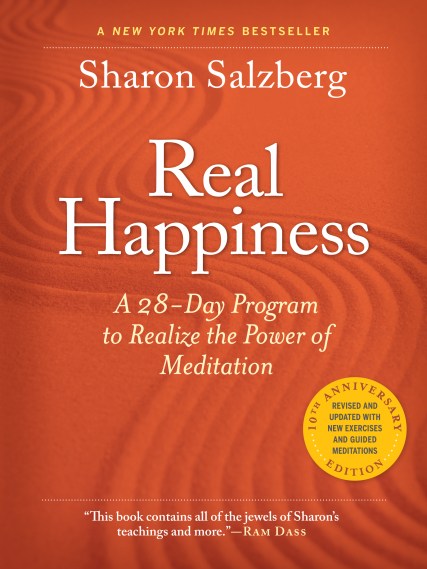
Cover of Real Happiness by Sharon Salzberg
Cover: Workman Publishing
A guided beginning

Real Happiness

By Sharon Salzberg

Sharon Salzberg offers a structured introduction for anyone curious about building a meditation practice, beginning with simple techniques for sitting and breathing.

About this book

Organised around a 28-day programme, the book explores concentration, mindfulness and loving-kindness. The revised anniversary edition includes exercises and journal prompts to accompany the reader through the practice.

It may suit readers who like a little structure while learning. The exercises can be approached at an individual pace; missing a day does not mean the practice has to begin again from the start.

10th anniversary edition · 2019Workman PublishingISBN 9781523510122
Cover of When Things Fall Apart by Pema Chödrön
Cover: Shambhala Publications
Compassion in difficult times

When Things Fall Apart

By Pema Chödrön

Pema Chödrön draws on Buddhist teachings to reflect on fear, uncertainty and the difficult moments that form part of ordinary life.

About this book

Rather than presenting meditation as an escape from difficulty, the book considers how awareness and compassion can change our relationship with what is happening. Its chapters invite the reader to pause and meet experience with curiosity.

This anniversary edition includes an afterword by the author. It is a reflective choice for readers interested in the meeting point between meditation, compassion and change.

20th anniversary edition · 2016Shambhala PublicationsISBN 9781611803433
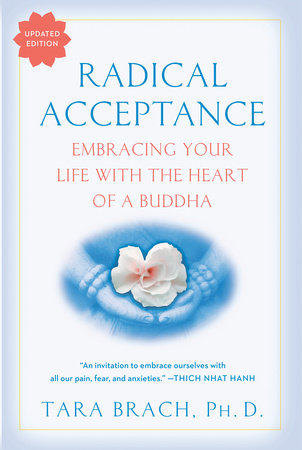
Cover of Radical Acceptance by Tara Brach
Cover: Bantam / Penguin Random House
Self-compassion

Radical Acceptance

By Tara Brach

A compassionate exploration of mindfulness and self-acceptance.

About this book

A compassionate exploration of mindfulness and self-acceptance. The author draws on meditation practice and personal reflection, offering readers ideas to explore at their own pace.

Read a chapter when you have time, then consider how its ideas relate to an ordinary moment in your own day. The publisher’s page offers further details about this edition.

Paperback · 2004BantamISBN 9780553380996
Cover of The Wise Heart by Jack Kornfield
Cover: Bantam / Penguin Random House
Buddhist psychology

The Wise Heart

By Jack Kornfield

A wide-ranging guide to Buddhist psychology, attention and compassion.

About this book

A wide-ranging guide to Buddhist psychology, attention and compassion. The author draws on meditation practice and personal reflection, offering readers ideas to explore at their own pace.

Read a chapter when you have time, then consider how its ideas relate to an ordinary moment in your own day. The publisher’s page offers further details about this edition.

Paperback · 2009BantamISBN 9780553382334
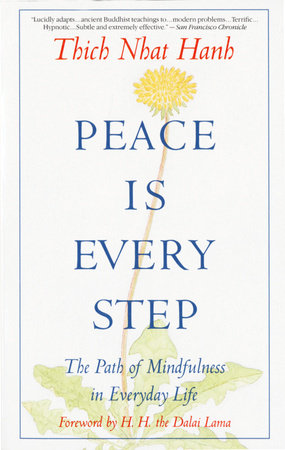
Cover of Peace Is Every Step by Thích Nhất Hạnh
Cover: Bantam / Penguin Random House
Everyday awareness

Peace Is Every Step

By Thích Nhất Hạnh

Reflections on finding mindful moments in ordinary activities.

About this book

Reflections on finding mindful moments in ordinary activities. The author draws on meditation practice and personal reflection, offering readers ideas to explore at their own pace.

Read a chapter when you have time, then consider how its ideas relate to an ordinary moment in your own day. The publisher’s page offers further details about this edition.

Paperback · 1992BantamISBN 9780553351392
Cover of A Path with Heart by Jack Kornfield
Cover: Bantam / Penguin Random House
Practice and daily life

A Path with Heart

By Jack Kornfield

Stories and guided practices for bringing meditation into everyday life.

About this book

Stories and guided practices for bringing meditation into everyday life. The author draws on meditation practice and personal reflection, offering readers ideas to explore at their own pace.

Read a chapter when you have time, then consider how its ideas relate to an ordinary moment in your own day. The publisher’s page offers further details about this edition.

Paperback · 1993BantamISBN 9780553372113
← HomeTHE READING SHELF

Books for mindful living.

Thoughtful companions for exploring meditation at your own pace.

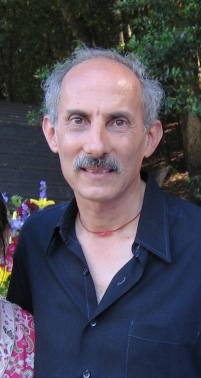
Portrait of Jack Kornfield
Photo: Marcy Harbut / Wikimedia Commons · CC BY 2.0 · Cropped for display.
Insight meditation

Jack Kornfield

Jack Kornfield trained as a Buddhist monk in Thailand, India and Burma. He co-founded the Insight Meditation Society and Spirit Rock Center, and has taught meditation internationally since 1974.

Approach to practice

His books and talks explore mindfulness, compassion and the challenges of bringing contemplative practice into relationships and ordinary life.

Explore the teacher’s own biography and resources to learn more about their work and the traditions that inform it.

Mindfulness and compassion

Tara Brach

Tara Brach is a psychologist, author and meditation teacher whose work brings together Western psychology and Buddhist practices. She founded the Insight Meditation Community of Washington in 1998.

Approach to practice

Her teaching explores mindful attention and compassion, including ways to meet difficult experiences with curiosity and care. Her books include Radical Acceptance.

Explore the teacher’s own biography and resources to learn more about their work and the traditions that inform it.

Insight and loving-kindness

Joseph Goldstein

Joseph Goldstein has led insight and loving-kindness meditation retreats since 1974. He co-founded the Insight Meditation Society in Massachusetts and helped establish the Barre Center for Buddhist Studies.

Approach to practice

His teaching draws on Buddhist meditation traditions and asks practitioners to look closely at changing thoughts, sensations and experiences.

Explore the teacher’s own biography and resources to learn more about their work and the traditions that inform it.

Portrait of Sister Chan Khong
Photo: Gakuro / Wikimedia Commons · CC BY-SA 3.0 · Cropped for display.
Mindful action

Sister Chan Khong

Sister Chan Khong is a monastic disciple of Thích Nhất Hạnh and a founding member of the Order of Interbeing and Plum Village. Her work has included humanitarian projects and community building.

Approach to practice

Her teaching connects meditation with compassionate action, including caring for communities and finding ways to respond to suffering in everyday life.

Explore the teacher’s own biography and resources to learn more about their work and the traditions that inform it.

← HomeOUR APPROACH

About meditation-cloud

meditation-cloud is an independent, public-minded initiative created to make meditation and mindful living more accessible to everyone.

Why we are here

We believe that a little space to pause can change how we meet the world. When we notice our thoughts, feelings and surroundings with greater care, we can begin to understand ourselves more deeply and relate to others with more patience.

Our hope is to encourage that kind of inner awakening: not a dramatic transformation, but a gradual return to awareness, curiosity and compassion in everyday life.

What we share

This is an open collection of practical guides, guided videos, books and perspectives from meditation teachers. Each offers a different way to explore attention, whether you have a few quiet minutes or want to go deeper. The resources are free to browse, and links to original sources are included where available.

A practice for real life

There is no perfect way to begin. You might sit with your breath, notice the feeling of your feet on a walk, or pause before the next task. Some days will feel settled; others may feel busy. Both belong to the practice.

Come as you are, take what is useful, and return whenever you need a little space.

Make space.
For this moment.

Simple meditation for everyday life.

A MOMENT FOR YOU

Make space for stillness.

Choose a scene for a quiet 25-minute practice.

25:00

TIME REMAINING

Ready when you are.

THE MEDITATION LIBRARY

Learn at your own pace.

Clear, practical guides for bringing a little more attention to the everyday.

Start Here

Begin with a comfortable seat, a few minutes, and an open mind.

View all

Practices

Explore attention through the body, movement, and sound.

View all

Daily Life

Find small, flexible ways to practise throughout the day.

View all

Making space for wellbeing.

A look at the practices people make time for.

  • A moment
    of meditation

    17.3 percent

    of U.S. adults practiced meditation

  • Practicing
    mindfulness

    4.3 million

    U.S. adults practiced mindfulness meditation in the year before the 2012 survey

  • Finding time
    to unwind

    6.4 percent

    of U.S. adults used guided imagery or progressive muscle relaxation

U.S. National Health Interview Survey · 2012 research · 2022 research

A little space to begin.

A quiet space for awareness, compassion and everyday practice.

About meditation-cloud